
 प्रदेश-१
 मधेस
मधेस बागमती
 गण्डकी
 लुम्बिनी
 कर्णाली
 सुदूरपश्चिम
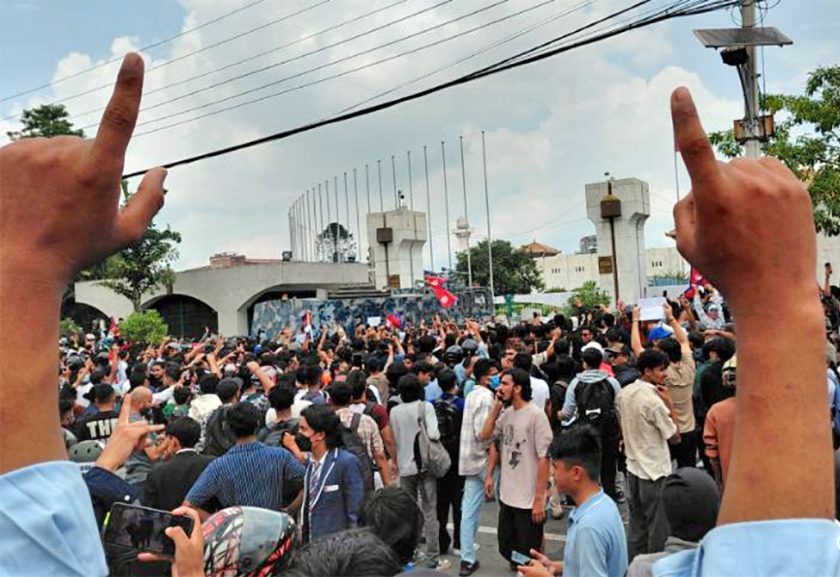
Kathmandu, December 22: As Nepal’s interim government under Prime Minister Sushila Karki marks 100 days in office, deep divisions have emerged within the Generation Z movement that sparked the dramatic political upheaval in September. While some youth groups insist on focusing on the upcoming March 5, 2026 elections as the path to lasting change, others are preparing to reignite street protests, accusing the government of betraying the spirit of the uprising.
The fractures highlight growing frustration over the pace of reforms following the violent protests that toppled former Prime Minister KP Sharma Oli, led to parliament’s dissolution, and installed Karki – Nepal’s first female prime minister – as head of a transitional administration.
Miraj Dhungana, a prominent Gen Z activist who was notably absent from the frontlines during the peak of the September protests, held a press conference on Sunday to announce plans for renewed agitation starting as early as Monday. Leading a coalition claiming 26 youth groups, Dhungana demanded the formation of an all-party (Sarvapakshiya) government, arguing that Karki’s administration has failed to embody the movement’s core demands.
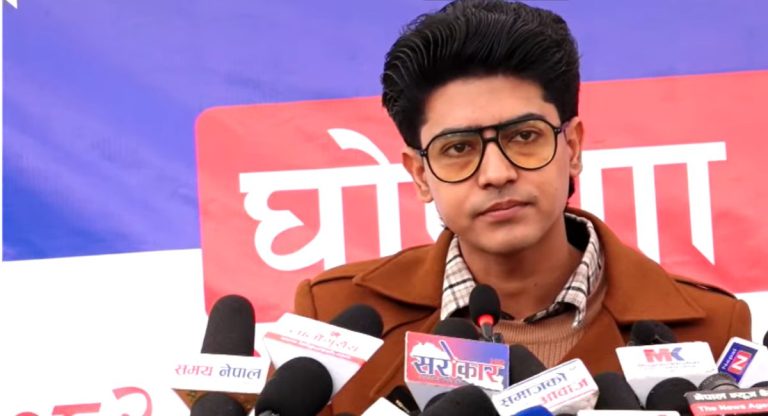
“The September Gen Z uprising was not anyone’s personal brand or a stepping stone for leaders,” Dhungana said. “This government does not carry the soul of the movement or represent our leadership. We need a political leadership that can unite all sides and provide a real exit from the crisis.”
He criticized the focus on early elections, stating, “The protests weren’t about shifting the 2029 elections to 2026. Why is Sushila Karki obsessed with elections? This government hasn’t delivered solutions.”
Dhungana’s associate, Harish Bhatt, described the coalition as a nationwide force, saying, “We’ll call on patriots to join – we’ll see how many respond tomorrow.” However, he acknowledged that the group’s strength would only become clear once protests begin.
From the outset, Dhungana has opposed elections under the current setup, previously arguing that the interim government’s mandate was constitutional amendments and systemic reforms, not polls. In November, he even announced plans to form a new political party but insisted on boycotting elections without guarantees like direct executive elections.
In stark contrast, other major Gen Z factions are firmly backing the electoral path.
The Gen Z Front, led by Raksha Bam, views elections as the only viable alternative. Front leader Yujan Rajbhandari emphasized preparations for the polls, including supporting independent candidates from their networks. “We’re not in favor of protests,” he said. “Toppling this government to form another ‘all-party’ one would just trap us in more mess. This government must conduct elections, and we must support it.”
Rajbhandari warned against disruptions, adding, “Any agitation backed by external forces to sabotage elections won’t have our support.”
Similarly, the Gen Z Movement Alliance echoed this stance. Spokesperson Monica Niroula said her group has no involvement in Dhungana’s planned protests. “In the current situation, there’s no alternative to elections – we’re steadfast on that,” she said. While acknowledging the constitutional right to protest, Niroula urged maturity: “We request they consider the situation and make informed decisions. Immediate constitutional amendments aren’t practical right now.”
10-point agreement with some Gen Z groups recognizing the uprising and promising reforms.
Instead, her alliance is focusing on election campaigns and supporting youth independents.
The Council of Gen Z also dismissed protest calls as opportunistic. Koshi Province coordinator Uparjun Chamling questioned the motives of agitators: “Those who fled the streets during the real Gen Z movement are now talking big about returning? The people see through it.”
Chamling warned of risks if elections are derailed: “Without polls, the country risks either authoritarian forces or parliament reinstatement – handing power back to the old gangs. Today’s youth want neither dictatorship nor the return of the old guard. Elections are the only beautiful alternative.”
The interim government’s mandate, established after the deadly September 8-9 protests that claimed dozens of lives, is to steer Nepal toward fresh parliamentary elections on March 5, 2026. Karki’s administration has prioritized stability, anti-corruption measures, and preparations for the vote, recently signing a 10-point agreement with some Gen Z groups recognizing the uprising and promising reforms.
Yet, with splintered youth voices – some aligning with elections and others threatening to “heat up the streets” – Nepal’s fragile transition faces renewed uncertainty. Analysts warn that escalated protests could delay polls or deepen instability, while supporters of elections see them as essential for democratic renewal.
As the 100-day milestone passes, the once-unified Gen Z energy that reshaped Nepal’s politics now risks pulling the country in opposing directions.
प्रतिक्रिया