
 प्रदेश-१
 मधेस
मधेस बागमती
 गण्डकी
 लुम्बिनी
 कर्णाली
 सुदूरपश्चिम
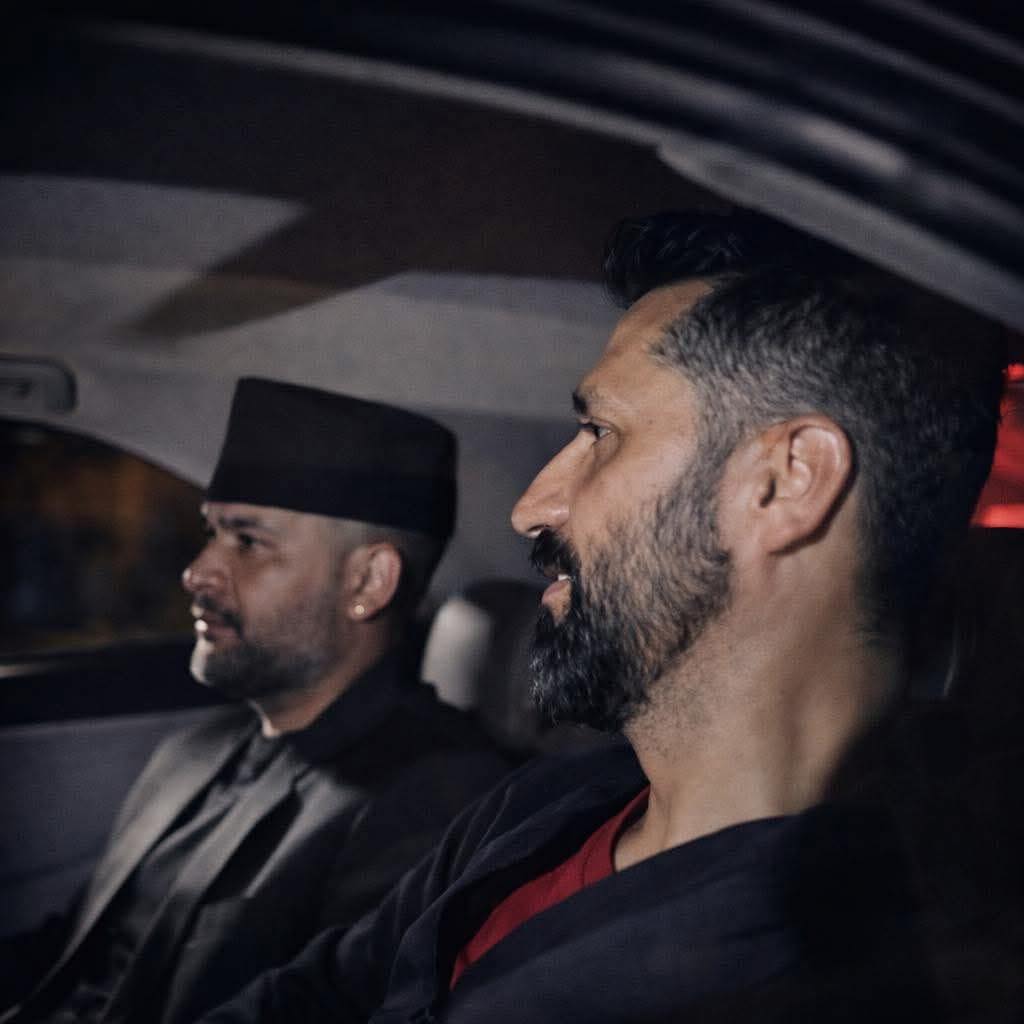
Kathmandu, December 23: Fresh off his release on bail in a high-profile cooperative fraud case, Rastriya Swatantra Party (RSP) Chairman Rabi Lamichhane has wasted no time diving back into active politics, holding a series of high-level meetings that have fueled speculation about a potential grand alliance among Nepal’s emerging alternative forces ahead of upcoming elections.
Lamichhane, a former television journalist turned politician, was granted bail by the Butwal bench of the Tulsipur High Court on December 18, 2025, after posting approximately Rs 27.48 million in connection with allegations of misappropriating funds from the Supreme Cooperative and other entities. He completed the necessary paperwork in Rupandehi District Court on December 19 and was fully released, marking the end of months of judicial custody that had sidelined him from direct party leadership.
Upon his return to Kathmandu over the weekend, Lamichhane’s schedule has been packed. Sources close to the RSP indicate he first met with victims and families affected by the 2025 Gen Z protests – the youth-led movement that shook Nepal’s political establishment earlier this year, leading to widespread unrest and calls for systemic reform. This was followed by a grand welcome at the party’s central office in Banasthali, where supporters gathered with music and fanfare, and an immediate central committee meeting to strategize future moves.
One of the most talked-about developments has been Lamichhane’s multiple meetings with Kathmandu Metropolitan City Mayor Balendra Shah, popularly known as Balen. Reports confirm at least two rounds of discussions, including a lengthy five-hour session on Monday at a private residence in Kamalpokhari belonging to RSP central member Asim Shah. Representatives from Balen’s side, including advisors Kumar Ben and Nischal Basnet, joined RSP leaders such as Vice-Chairman DP Aryal.
Insiders describe the talks as “highly positive,” focusing on potential collaboration between the RSP and groups close to Balen, who has been linked to efforts to register a new entity tentatively called “Desh Bikash Party” (National Development Party). Discussions reportedly explored electoral coordination, unified fronts against traditional parties, and even scenarios where Balen could be positioned as a prime ministerial candidate in future polls. While no formal agreement has been reached, sources say negotiations are ongoing, with an announcement possibly imminent in the coming days.
RSP leaders have revealed that Lamichhane is in talks with around 10 different groups and individuals representing “alternative forces.” This includes outreach to figures like Energy Minister Kulman Ghising (associated with the newly formed Ujyalo Nepal Party) and other independent leaders who gained prominence during the Gen Z movement. A party official emphasized an “aggressive approach” to unity, stating, “We won’t align with those offering conditional seats; we’re focused on genuine reformers coming together.”
Controversies Surrounding the Key Figures
Lamichhane’s political resurgence comes amid lingering legal clouds. He faces multiple charges across districts for alleged organized fraud involving cooperative funds, including links to fugitive GB Rai and the diversion of depositors’ money to his former media network, Gorkha Media. Supporters view the cases as politically motivated vendetta by established parties threatened by RSP’s rapid rise – the party emerged as the fourth-largest in parliament just months after its 2022 founding. Critics, however, point to parliamentary probes and audit reports highlighting irregularities.
Balendra Shah, an independent mayor elected in 2022 on an anti-corruption platform, has built a massive youth following through bold actions like demolishing illegal structures and clashing with the central government over administrative issues. His controversies include court contempt cases for defying judicial orders, aggressive social media posts, and disputes with ward chairs. Despite staying formally independent, Balen’s vocal support for youth demands during the Gen Z protests has positioned him as a symbol of change.
Broader Implications for Nepal’s Politics
These developments signal a potential consolidation of anti-establishment voices at a time when Nepal is preparing for elections (potentially in March or later). Traditional heavyweights like Nepali Congress, CPN-UML, and Maoist Centre face growing disillusionment, especially among young voters frustrated by corruption, unemployment, and governance failures.
Analysts say a formalized RSP-Balen axis, possibly expanded to include Ghising and others, could reshape the electoral landscape, challenging the old guard’s dominance. However, hurdles remain: ego clashes, differing visions, and Lamichhane’s unresolved legal battles could complicate unity.
As one RSP insider put it, “The aspirations of the Gen Z movement can only be fulfilled through strong, united alternative leadership.” With Lamichhane back in the fray, Nepal’s political theater appears set for dramatic twists in the weeks ahead.
प्रतिक्रिया