
 प्रदेश-१
 मधेस
मधेस बागमती
 गण्डकी
 लुम्बिनी
 कर्णाली
 सुदूरपश्चिम

Kathmandu, December 14:The Communist Party of Nepal (Unified Marxist–Leninist), or CPN (UML), stands as Nepal’s most resilient political force—a party forged in violent rebellion, tempered by ideological innovation, expanded through bold mergers, fractured by internal power struggles, and now tested by a youth-led uprising that toppled its government. From the blood-soaked fields of Jhapa in the early 1970s to the fiery streets of Kathmandu in 2025, UML’s history is a saga of fire (armed struggle), fusion (unifications), and fractures (splits and crises).


The Spark: Jhapa Rebellion (1970s)
UML’s roots trace to the Jhapa Rebellion (1971–1973), a peasant uprising in eastern Nepal’s Jhapa district. Inspired by India’s Naxalbari movement, young radicals—including a teenage KP Sharma Oli, CP Mainali, and Radha Krishna Mainali—targeted “class enemies” (landlords) in violent “annihilation” campaigns. The Panchayat regime crushed it brutally; rebels were arrested or killed (e.g., Sukhani martyrs). Oli spent 14 years in jail.
Survivors formed the CPN (Marxist-Leninist) in 1978, rejecting pure Maoism for parliamentary paths. This shift laid UML’s foundation.
Fusion and Ideological Breakthrough (1980s–1990s)
Post-1990 democracy restored multi-party system. In 1991, CPN (ML) merged with CPN (Marxist) to form CPN (UML).
At the 5th Convention (1993), Madan Bhandari unveiled People’s Multiparty Democracy (JBMP/PMD)—a pragmatic Marxism accepting competition while pursuing socialism. Bhandari’s mysterious death (Dasdhunga accident, May 1993) shocked the party, but PMD became its core ideology.
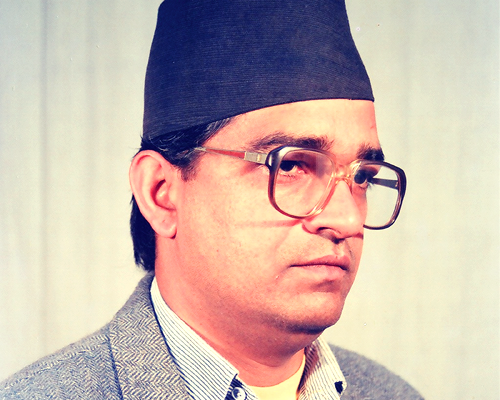

Electoral highs: 1994 minority government under Man Mohan Adhikari (Nepal’s first communist PM). Fractures: 1998 split (Bamdev Gautam formed CPN-ML over Mahakali Treaty; reunified 2002).
Formation (1991)
CPN (UML) formed on January 6, 1991, through the merger of two communist factions after Nepal restored multi-party democracy in 1990:
- Communist Party of Nepal (Marxist) — Led by Man Mohan Adhikari.
- Communist Party of Nepal (Marxist–Leninist) — Led by Madan Bhandari.
This unification created a moderate, democratic communist force distinct from Maoist insurgents.
Key Ideological Milestone: People’s Multiparty Democracy (1993)
At the 5th National Convention (1993), the party adopted People’s Multiparty Democracy (PMD) as its guiding principle. Madan Bhandari proposed it as a creative application of Marxism-Leninism to Nepal’s context, accepting multi-party competition while aiming for socialism.
Tragically, Madan Bhandari died in a mysterious jeep accident in May 1993 (along with Jibaraj Ashrit). Madhav Kumar Nepal became general secretary.
- In the 1991 elections, UML emerged as the second-largest party (main opposition).
- In 1994, it won 88 seats, becoming the largest party, and formed a minority government under Man Mohan Adhikari (Nepal’s first communist PM). The government lasted nine months.
- 1999 elections: Reduced to opposition after winning 70 seats; Man Mohan Adhikari died that year.
Splits and Reunifications (1998–2002)
- 1998 split → Over the Mahakali Treaty, Bamdev Gautam led a faction to form CPN (Marxist–Leninist). It performed poorly in 1999 elections and reunified in 2002.
- Minor mergers occurred, like with Tulsi Lal Amatya’s group (1993) and others.
- 2000s: Opposition and Coalitions
- 7th Convention (2003, Janakpur).
- 8th Convention (2009, Butwal): Jhala Nath Khanal elected chair; adopted multi-leader system.
- UML participated in the 2006 People’s Movement against King Gyanendra, contributing to republic declaration.
Power, Coalitions, and Monarchy’s End (2000s–2010s)
UML opposed King Gyanendra’s 2005 coup, joining 2006 People’s Movement for republic.
9th Convention (2014): KP Oli elected chair, emphasizing nationalism.
Rise of KP Sharma Oli (2014 Onward)
- 9th Convention (2014): KP Sharma Oli elected chair, defeating Madhav Kumar Nepal.
- Oli’s leadership emphasized nationalism (e.g., new map including disputed territories, response to Indian blockade).
Merger into NCP and Revival (2018–2021)
- May 17, 2018: Merged with CPN (Maoist Centre) to form Nepal Communist Party (NCP), nearly two-thirds majority.
- Internal conflicts arose; Oli dissolved parliament twice (2020–2021), both reinstated by Supreme Court.
- March 8, 2021: Supreme Court dissolved NCP (name dispute); revived original CPN (UML) and Maoist Centre.
- August 2021 split: Madhav Nepal faction formed CPN (Unified Socialist).
Grand Fusion and Dramatic Fracture (2018–2021)
May 2018: Merger with CPN (Maoist Centre) formed Nepal Communist Party (NCP)—near two-thirds majority.
Internal feuds (Oli vs. Prachanda/Madhav Nepal) led to parliament dissolutions (2020–2021, both reversed by Supreme Court).
March 2021: Court voided merger; UML revived. August 2021 split: Madhav Nepal formed CPN (Unified Socialist).
Oli’s Dominance and Gen Z Reckoning (2022–2025)
2022 elections: UML second-largest (~79 seats). Oli’s coalitions made him PM multiple times.
2025 Gen Z Protests: Triggered by corruption scandals, nepotism (#NepoBaby), economic woes, and social media bans (September 4). Youth demanded systemic change.
Violence escalated September 8–9: Dozens killed, parliament/courts torched, party offices vandalized. Oli resigned; former Chief Justice Sushila Karki became interim PM. Elections set for March 2026.
Post-protests: Clashes between Gen Z activists and UML cadres (e.g., Bara district curfews, November 2025).

2020s: Governments, Protests, and Current Status
- 2022 elections: UML won ~79 seats (second largest).
- Oli served multiple terms as PM in coalitions.
- 2025 Gen Z protests: Accusations of nepotism, corruption, and democratic backsliding led to Oli’s resignation and government fall. Parliament dissolved for fresh elections.
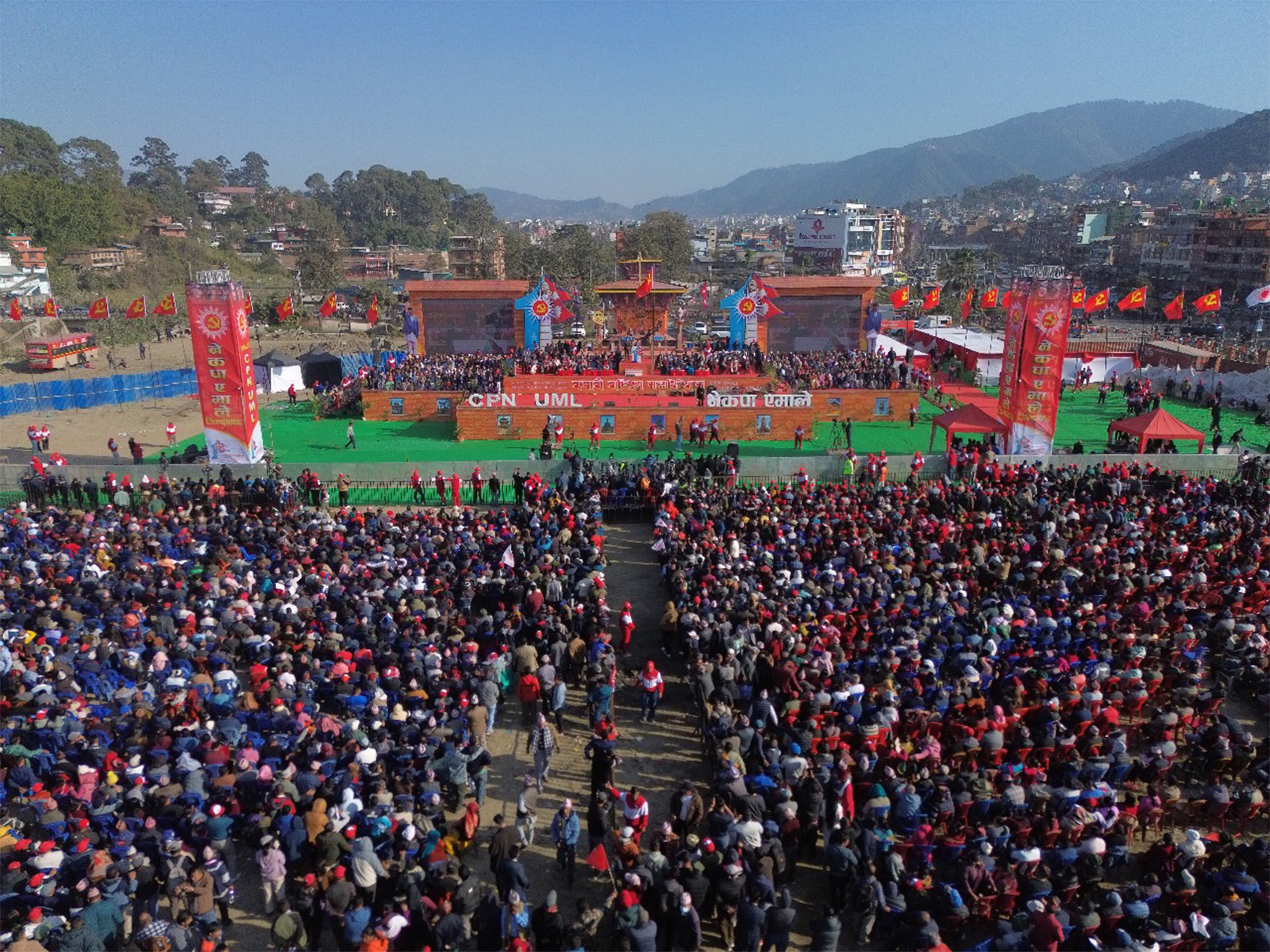
- 11th General Convention (December 2025, Bhaktapur): Ongoing amid leadership contest between Oli and Ishwor Pokhrel; focus on unity, youth inclusion, and statute amendments.
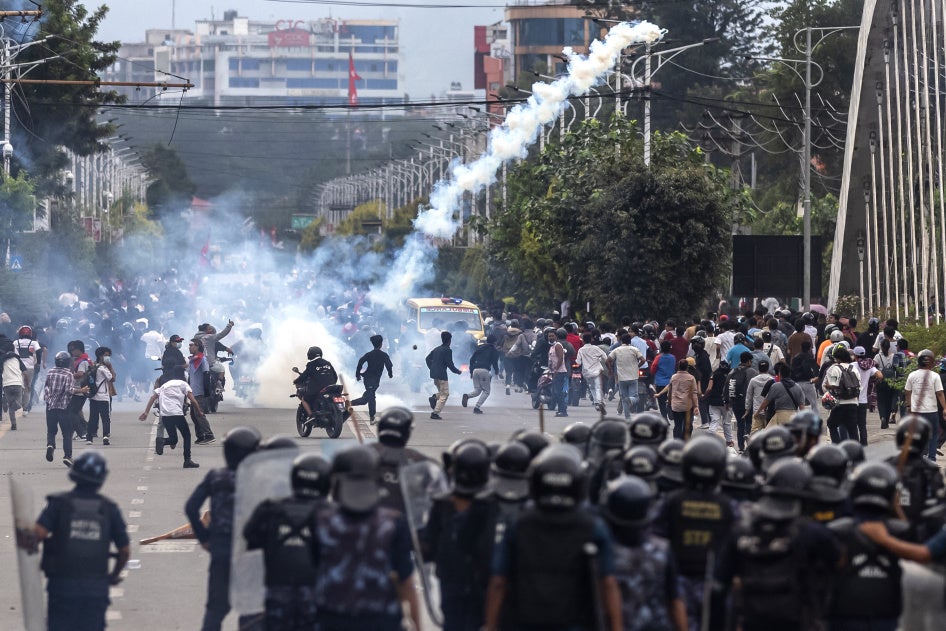

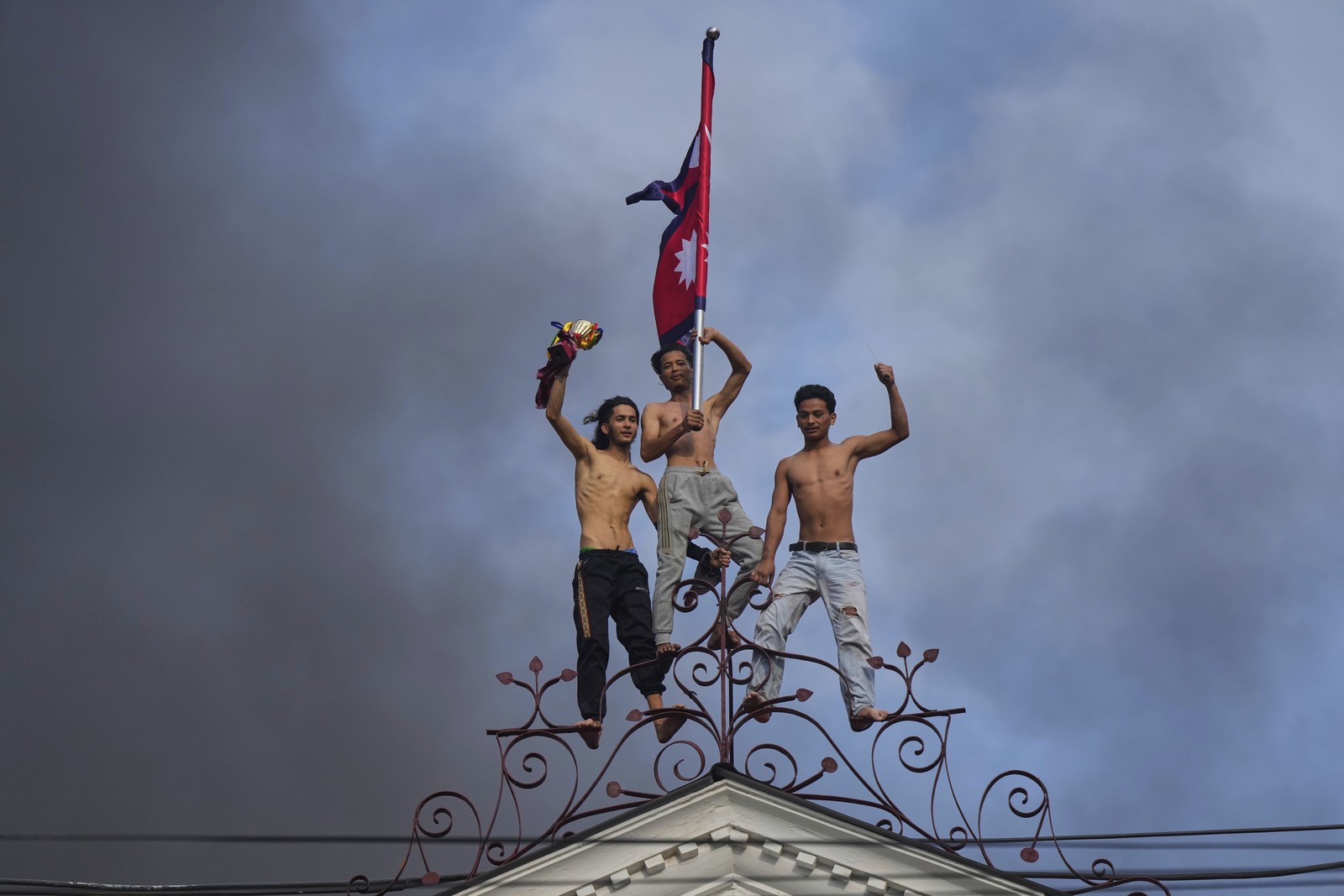
11th Convention (December 2025): Amid leadership contest (Oli vs. Ishwor Pokhrel), youth quotas introduced, statute amendments.



From Jhapa’s armed dream to Gen Z’s digital fury, CPN (UML) has survived fire, embraced fusion, endured fractures—and reinvented itself repeatedly. As Nepal heads to 2026 elections, the party’s ability to heed youth demands will define its next chapter.The Communist Party of Nepal (Unified Marxist–Leninist), commonly known as CPN (UML), is one of Nepal’s major political parties and the largest communist party in terms of parliamentary representation as of 2025. It follows the ideology of People’s Multiparty Democracy (जनताको बहुदलीय जनवाद – Janatako Bahudaliya Janawad, or JBMP), a Nepali adaptation of Marxism-Leninism developed by late leader Madan Bhandari.


History of the Communist Party of Nepal (Unified Marxist–Leninist) – CPN (UML)
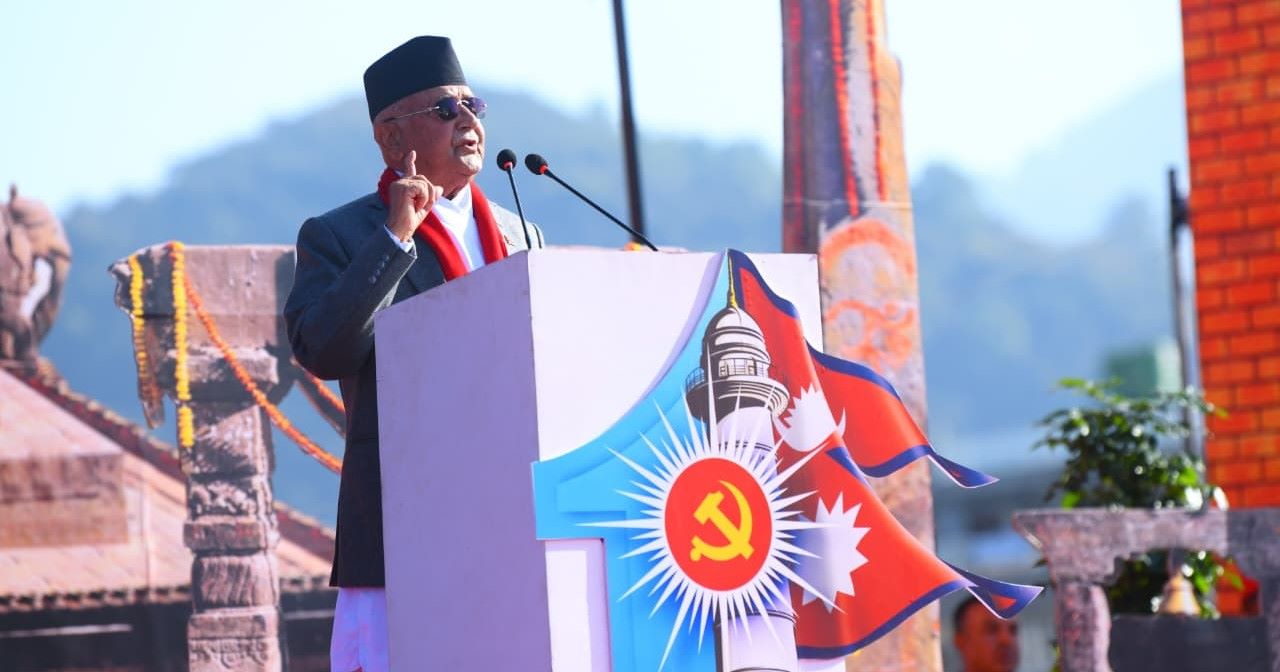
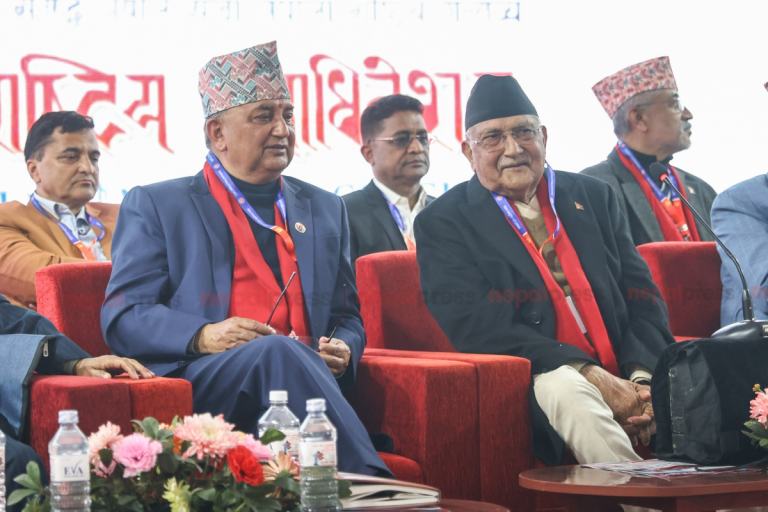
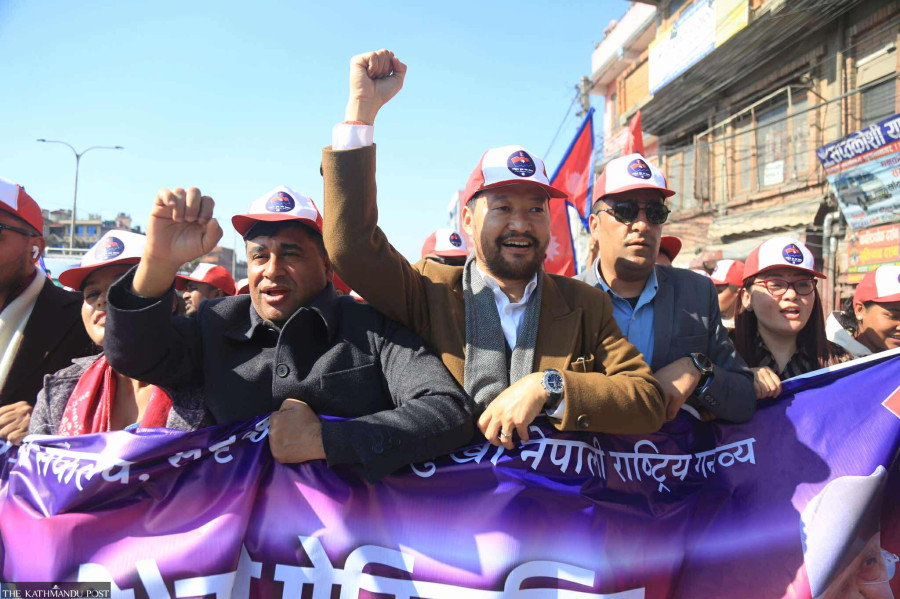
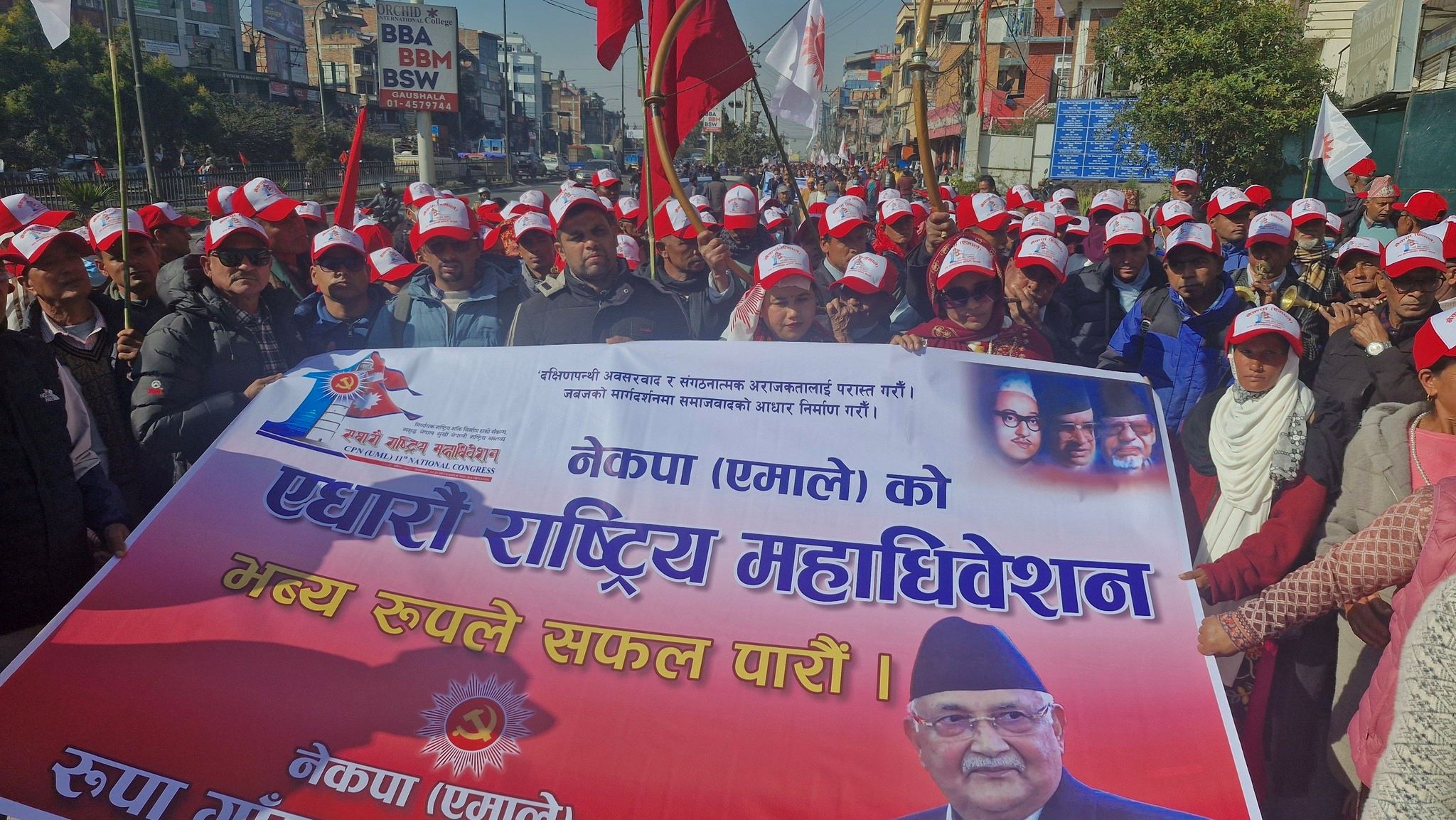
CPN (UML) remains a key player in Nepali politics, balancing communist ideology with parliamentary democracy. It has produced four prime ministers (Man Mohan Adhikari, Madhav Kumar Nepal, Jhala Nath Khanal, KP Sharma Oli) and influenced major transitions, including the end of monarchy. Recent challenges include internal divisions, youth protests, and competition from splinter groups. As of December 2025, the party navigates post-protest reforms amid ongoing convention.
प्रतिक्रिया